

Hyperbaric Chambers Australia / Insights
How to Use a Hyperbaric Chamber Alone: Safe Solo Steps

Table of Contents
- What You'll Need Before Using a Hyperbaric Chamber Alone
- Pre-Operation Checks for a Solo Session
- How to Equalise Ears in a Hyperbaric Chamber
- Operating the Chamber Alone: Pressurisation and Depressurisation
- Hyperbaric Chamber Session Duration: What to Expect
- Hyperbaric Chamber Emergency Procedures for Solo Users
- After Your Session: Post-Operation Steps
- Conclusion
- Frequently Asked Questions
Last Updated: September 30, 2026
What You'll Need Before Using a Hyperbaric Chamber Alone
Solo hyperbaric sessions start with preparation, not pressure. If you're learning how to use a hyperbaric chamber alone, the setup you complete beforehand matters more than anything you do once the chamber seals. We walk buyers through this process because most problems in solo sessions trace back to skipped preparation.
The research is clear that hyperbaric oxygen therapy works best alongside other care, not in isolation. A review of hyperbaric oxygen therapy evidence notes that outcomes are limited when therapy is used without complementary treatment. So, treat your chamber as one part of a wider plan.
Here's what to sort out first:
- A clearance conversation with your treating clinician
- Comfortable cotton clothing, no synthetic fabrics
- A clear, ventilated space with room around the chamber
- Your chamber's own operating manual, open and within reach
- A charged phone or alert device kept outside the chamber
- Water nearby for after the session
One caution before you go further. While guidance from mountain and altitude medicine, such as that from the UIAA, states that a patient should never undergo therapy unaccompanied, this doesn't map directly onto a home chamber. Still, the principle holds: someone should know you're inside and when you expect to finish.
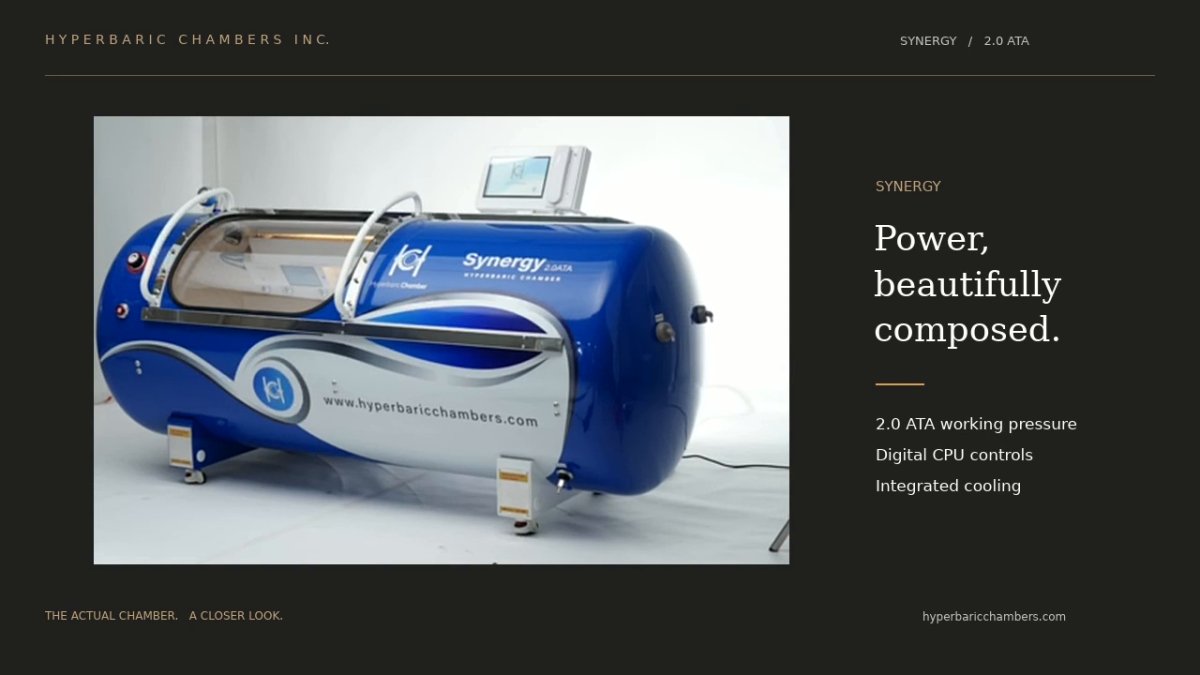
Never assume phones, electronics or accessories are allowed inside your chamber. Permitted items differ by model, so check your own manual. The wrong item can create a fire risk under pressure.
Pre-Operation Checks for a Solo Session
Run the same checks every time, in the same order. A fixed routine catches problems that a casual glance misses.
Start with the chamber itself:
- Inspect the shell, seams and zips for wear or damage
- Check the pressure gauge reads zero before you begin
- Confirm the seal is clean and free of grit
- Test the release valve and confirm it moves freely
- Check your oxygen supply and mask connection
- Confirm ventilation or filtration is working as documented
Then check the room. Clear the floor around the chamber. Make sure nothing blocks your exit path. Set your phone timer outside the chamber where you can hear it.
A common mistake is treating these checks as optional once you're familiar with the equipment. In practice, familiarity is exactly when people skip steps. Five minutes of checking prevents most session problems.
Photograph your chamber setup once, when everything is correct. Use that photo as your reference before each session. It's faster than reading a manual and catches anything that's moved.
How to Equalise Ears in a Hyperbaric Chamber
Ear equalisation is the skill that decides whether a session feels comfortable or ends early. Pressure changes squeeze the eardrum, and if you can't equalise, you'll feel it.
Learn these techniques before your first solo session:
- Swallow firmly, several times in a row
- Yawn widely with your mouth open
- Pinch your nose and blow gently against closed nostrils
- Tilt your head and swallow to open one side
Start equalising early. Don't wait until you feel pressure building. Begin as soon as pressurisation starts and keep going in small, frequent efforts.
Never force it. If blowing hard doesn't work, stop and try a swallow instead. Forcing pressure against a blocked ear can cause pain and injury.
If you have a cold, sinus congestion or allergies flaring, postpone the session. Equalising a blocked ear is difficult and uncomfortable. This is one of those cases where waiting a day beats pushing through.
Operating the Chamber Alone: Pressurisation and Depressurisation
Pressurisation should be slow and steady. Follow your model's documented rate rather than rushing to reach your target pressure.
During pressurisation:
- Equalise continuously as pressure rises
- Watch the gauge and stay within your model's stated range
- Breathe normally through your oxygen mask
- Keep your hands free to reach the controls
Depressurisation is where solo users get careless. The temptation is to vent quickly and get out. Don't.
Come down at the rate your manual specifies. Equalise on the way down too, since ears can block in reverse. If you feel any discomfort, pause the descent and hold until it settles.
One point worth separating clearly: a chamber you can operate from inside is not the same as a session that's appropriate without an attendant. Internal controls let you manage pressure. They don't make unaccompanied use safe by themselves.
Hyperbaric Chamber Session Duration: What to Expect
Session duration depends on your chamber, your pressure setting and the guidance you've been given. There is no single correct number.
What the research does show is that combining hyperbaric sessions with other therapy can improve results. A 2026 report on hyperbaric indications found that patients doing 30-minute sessions followed by low-impact therapy achieved 40% faster wound healing. That's a specific clinical protocol, not a home routine, so don't copy the timing directly.
The same report recorded symptom scale scores improving, and general health measures rising. Those are clinical findings from supervised care. They show what's possible under medical protocols, not what a home chamber guarantees.
For your own sessions:
- Follow the duration your chamber documentation states
- Build up gradually rather than starting at maximum
- Track how you feel after each session
- Stop early if you feel unwell
| Session Stage | What to Watch | What to Do |
|---|---|---|
| Pressurisation | Ear pressure, gauge reading | Equalise often, go slow |
| At pressure | Breathing comfort, mask seal | Breathe normally, stay still |
| Depressurisation | Ear discomfort, descent rate | Pause if uncomfortable |
| After exit | Dizziness, fatigue | Sit, hydrate, rest |
Duration is set by your chamber's documented limits and your clinician's guidance, not by a generic number. If you don't have a clear figure, confirm it with our team before your first solo session.
Hyperbaric Chamber Emergency Procedures for Solo Users
Know your exit before you need it. Every solo user should be able to answer three questions: how do I vent pressure, how do I get out, and who do I call?
Your emergency sequence:
- Stop oxygen flow if your manual directs it
- Begin controlled depressurisation
- Open the chamber once pressure reads zero
- Exit slowly and sit down
- Call for help if symptoms don't settle
Symptoms that mean end the session: chest pain, difficulty breathing, sudden ear pain, confusion, or a feeling that something is wrong.
The FDA guidance on hyperbaric device safety stresses following the manufacturer's instructions, including fire prevention and correct grounding. While this is US guidance, the fire and grounding principles apply to any pressurised oxygen environment.
Have a second person aware of your session times. They don't need to watch you, but they should know when you started and when you expect to finish.
Rebound symptoms after a session are a real risk for unaccompanied users. The UIAA advises against going into a chamber alone for this reason. Arrange for someone to check on you afterwards.
After Your Session: Post-Operation Steps
Post-session care is short but it matters. Give yourself ten to fifteen minutes before returning to normal activity.
Work through this:
- Rest and sit quietly for a few minutes
- Drink water
- Check your ears feel normal and clear
- Note the session time, pressure and how you felt
- Inspect the chamber and clean it as documented
- Store the oxygen supply and mask correctly
Keep a simple log. Over weeks, patterns show up that a single session won't reveal. You'll see which times of day work best and whether certain pressures suit you better.
If you feel dizzy, unusually tired, or notice ear discomfort that doesn't settle, contact your clinician. Don't start another session until it resolves.
Conclusion
Using a hyperbaric chamber alone is manageable when preparation, equalisation and controlled depressurisation become a fixed routine. The equipment supports solo operation, but the judgement calls are yours: when to slow down, when to stop, and when to ask for guidance. Confirm your specific model's operating limits and supervision requirements with our team before your first session, and keep your treating clinician in the loop on how you're tracking.
Frequently Asked Questions
Is it safe to operate a hyperbaric chamber without an attendant?
The UIAA advises that a patient should never undergo therapy unaccompanied, because rebound symptoms can develop and need monitoring. A chamber that can be operated from inside is not the same as a session that is appropriate without an attendant. Before buying, confirm with our team which models suit your situation and whether a trained attendant or companion should be present for your sessions.
How do I manage pressure equalisation when using a chamber alone?
Equalising ears is the same whether you are alone or supervised: swallow, yawn, or use a gentle Valsalva manoeuvre as pressure rises. Descend slowly and pause if you feel pressure building. If discomfort continues, stop the ascent and depressurise. If you cannot equalise comfortably, end the session and speak to your treating clinician before trying again.
What are the emergency procedures for solo hyperbaric chamber users?
Emergency procedures must follow the verified documentation for your exact model. In general, you should know how to stop pressurisation, how to depressurise, and how to exit the chamber. Keep a communication method within reach and confirm with our team which items are permitted inside your model before your first session.
How do I communicate with someone outside the chamber during a session?
Communication options differ between models, so check the verified documentation for your chamber before relying on any method. Do not assume phones, electronics or accessories are permitted inside. A companion outside the chamber who can see and hear you is the simplest arrangement, and our team can explain what your specific model supports.
